Driving around San Antonio with the sun at full blast teaches you a few truths quickly: heat builds up fast inside a parked car, leather seats age under relentless UV, and a darkened cabin can feel like a small relief. Window tinting gets brought up as the obvious fix, but it also drags along a lot of myths. I’ve worked with installers, inspected cars after botched jobs, and spent weekends testing different films in full sun. Here I break down the myths that cause the most confusion, explain the real trade-offs, and give practical guidance for anyone searching for window tinting San Antonio or “window tint near me.”
Why the myths stick Misunderstandings about tinting come from a few places: aggressive marketing by low-cost shops, old experiences — like metallic film that interfered with radios — and patchwork laws that vary by state. Combine those with the fact that a good job requires both the right film and competent installation, and you get plenty of room for bad outcomes and tall tales.
Myth 1: Darker is always better People assume darker film equals better cooling and privacy. That’s not strictly true. Heat reduction has two components: visible light blocked and infrared energy rejected. A very dark dyed film might reduce glare and provide privacy, but it won’t necessarily block as much infrared as a lighter ceramic or spectrally selective film. Modern ceramic films can reject up to 50 to 60 percent of total solar energy while leaving more visible light than a very dark dyed film.
Trade-offs matter. If your priority in San Antonio is maximum daytime privacy while keeping an eye on legality, a 20 or 25 percent visible light transmission (VLT) film on side windows will do that and cut glare. If your priority is interior temperature and UV protection, consider ceramic or hybrid films that offer superior heat rejection and UV reduction while maintaining moderate VLT. I’ve measured interior temperature differences of 8 to 15 degrees Fahrenheit between cars with dyed film and cars with ceramic films under identical conditions, parked in direct sun for an hour. That difference changes how long the cabin takes to cool with the A/C and how much heat the dashboard endures.
Myth 2: Window tinting will damage my power windows or electronics This is an old worry linked to metallic films that could interfere with radio, GPS, or even cause corrosion if the installer used incompatible adhesives. Metallic films are less common now, replaced by dyed, hybrid, carbon, and ceramic films. Properly manufactured modern films are non-conductive and will not affect window regulators, defrosters, or Bluetooth signals.
What does cause trouble is poor installation. If installers cut the film incorrectly or leave large creases near the window channels, seals can deform or the film can peel. If adhesive is applied incorrectly and moisture gets trapped, you might get clouding or adhesive failure. Choose a reputable shop and inspect a previous job if possible. Ask to see examples on their own fleet or customer vehicles. A legitimate shop will show before-and-after photos and will talk about warranty terms, which brings us to the next point.
Myth 3: All warranties are the same Warranty wording varies wildly. Some shops promise lifetime warranty but only cover bubbling and peeling, not color change or adhesive failure. Others limit lifetime coverage to the original purchaser or to the film product only, not the installation. Read the fine print. A trustworthy installer will issue a written warranty that covers peeling, bubbling, adhesive failure, and significant color change for a clearly stated period, often lifetime for the original owner. They will also explain transferability and what maintenance will void the warranty.
If you ask about warranty and the salesperson can’t produce a written copy or keeps it vague, treat that as a red flag. I once inspected a car whose film warranty was void because the customer used a household glass cleaner with ammonia during the first week. The shop had specified cleaners and a break-in period. Those details matter.
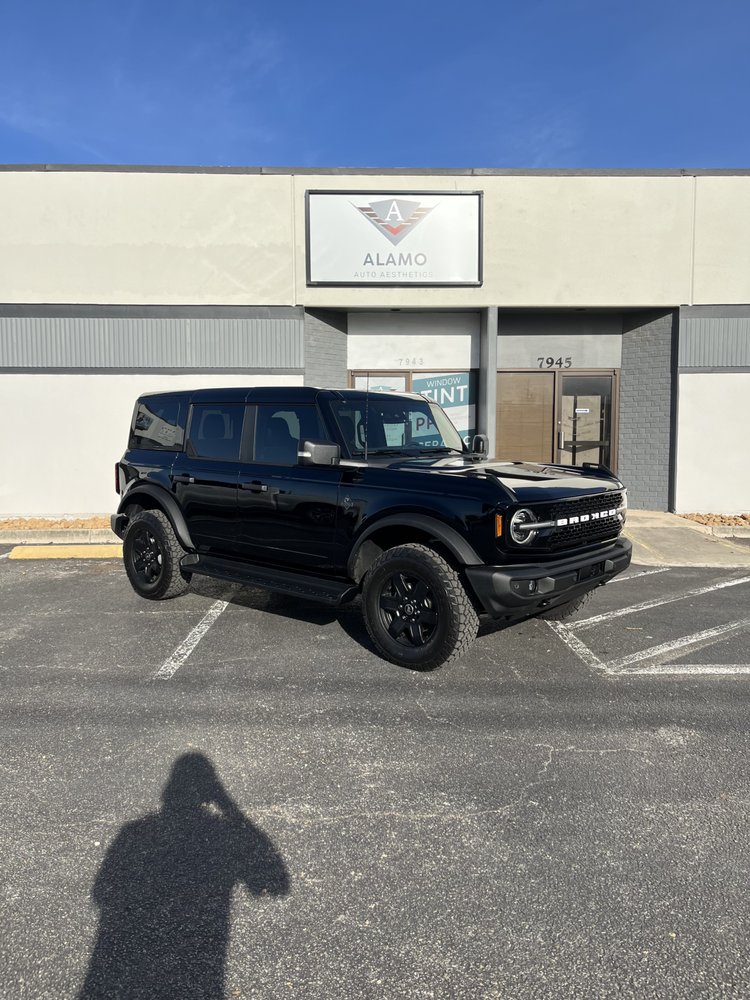
Myth 4: Tinting is illegal in Texas There is a law, and it’s not ambiguous once you read it, but people confuse the details. Texas has specific VLT requirements that differ for front side windows, rear side windows, and the back windshield. For passenger vehicles, front side windows must allow at least 25 percent of light through. Back side windows and the back windshield can be darker, often any darkness is allowed, but reflectivity limits apply. There are also restrictions on mirrored or highly reflective films and rules about blue or red tinting. Medical exemptions exist for certain conditions, allowing darker tints with proper documentation.
Laws change and local enforcement can differ, so always confirm current Texas statutes and San Antonio-specific ordinances before you buy film. When I worked with a fleet client, we contacted the local police department and got a clear statement on acceptable VLTs and the sticker requirements, which saved the company from compliance headaches on 30 vehicles.
Myth 5: You can install window tint yourself and get the same results DIY kits are cheaper, and for a flat piece of glass like a rear windshield they can look acceptable. But side windows are curved, move on guides, and have complex seals. Properly installing film requires heat, precision trimming, and a good understanding of adhesive chemistry and break-in procedures. Cheap DIY window tinting san antonio jobs often trap dust, produce bubbling along the edges, or show adhesive bleed that becomes evident after a week.
I’ve seen high-quality DIY results from careful hobbyists, but I’ve also seen cars where the window regulator was damaged by aggressive trimming. If the car is new, has a panoramic roof, or has integrated antennae in the glass, pay the installer. The time and money saved on a pro job usually outweigh the risk of redoing a poor DIY install.
Myth 6: Tinting voids my car warranty Federal law prohibits vehicle manufacturers from voiding a car’s warranty simply because an aftermarket accessory like window film was installed, unless the accessory caused the damage. That means if your car develops an unrelated engine problem, the dealer can’t deny warranty service solely because the side windows were tinted. Where problems arise is when tinting is installed poorly and causes damage that might be related to interior trim or electrical components. Keep receipts, choose a qualified installer, and document the installation if you anticipate warranty issues.
Myth 7: All films look the same after a few years Film technology has advanced. Cheap dyed films often fade to purple or bubble within a few years, especially in hot climates. Higher-end films, especially ceramic and carbon varieties, resist discoloration and delamination. Manufacturers back their products to different standards. Pay attention to the brand and the stated UV and heat rejection ratings.
When comparing shop estimates, ask for the film brand and model, not just a “20 percent” label. Demand to see samples. I once compared two cars both advertised as “20 percent ceramic” and found one used a higher-grade ceramic nanoparticle film with a clear warranty and measured better UV blocking in lab tests.
Myth 8: Tinting ruins window clarity at night Clarity at night depends on tint darkness and optical quality. A well-made 35 percent VLT film can preserve night driving visibility while reducing glare. Problems appear with cheap films that have optical distortion, causing halos around lights and making lane lines appear wavy. Another factor is headlight aim and interior reflection. Darker tints on side windows increase the relative brightness of streetlights reflecting off the instrument cluster, which can cause perceived glare. Installing an anti-glare or anti-reflective film on instrument clusters can help, but usually the solution is better film and correct VLT selection.
Myth 9: Window tinting is only for aesthetics Aesthetics matter, but functional benefits are substantial. Good film blocks up to 99 percent of UV-A rays, the wavelength primarily responsible for skin damage and interior fading. That slows upholstery fading, reduces leather cracking, and protects child passengers from UV exposure. Heat rejection reduces the run-time of your A/C, which improves fuel economy marginally in city driving and makes your car more comfortable on hot days.
Practical numbers: a well-chosen film can reduce solar heat gain by 30 to 60 percent compared with clear glass, depending on film type. UV rejection typically runs 99 percent for most modern films. If you spend lots of time parked outdoors under the Texas sun, the difference is noticeable within months.
What to ask an installer: a short checklist If you visit a shop or call for a quote, these five questions will separate competent shops from the rest.
What brand and model of film do you use, and can I see technical data for it? Do you provide a written warranty, what does it cover, and is it transferable? How long will the job take, and what break-in or cleaning instructions do you require? Have you installed this film on vehicles like mine, and can I see recent photos? Do you guarantee compliance with Texas tint laws and provide a sticker or certificate if required?Installation realities and timelines A four-door sedan usually takes one to three hours for a basic job, plus curing time. Many shops prefer to keep the car overnight to ensure edges cure and to avoid early peeling from hot sun exposure. Expect to avoid cleaning windows for a week or two and to roll windows up slowly for the first 48 to 72 hours. Installers often use heat to shape film on curved glass, which is normal. Ask whether the shop has a dedicated, dust-controlled bay — dust is the most common cause of cosmetic defects.
Cost considerations Prices in San Antonio vary with film quality and car type. Expect a budget dyed film job to run roughly $100 to $200 for a sedan’s side and rear windows, while higher-end ceramic jobs often fall in the $300 to $800 range, depending on vehicle size and film spec. Vans and SUVs cost more because of larger glass area and complex shapes. Price often correlates with product and installation quality, but always ask about the film model and warranty rather than trusting the cheapest quote.
Special cases and edge conditions Antennas and defrosters: Many modern rear windows have built-in antenna lines. Metalized films can interact with these, but modern non-metal films do not. Still, installers should take care around those lines, and some manufacturers caution about certain types of films on rear defrosters.
Tinting leased vehicles: If you lease, confirm lease-end requirements. Some leases prohibit modifications or require you to return the car to stock. Check whether the film is removable without glass damage. Quality films typically can be removed cleanly by a pro, but cheap films often leave adhesive residue that requires labor to remove.
Medical exemptions: For residents with certain medical conditions, there’s often a path to legal darker tints with documentation. The process typically requires a physician’s statement and might involve registration. Verify local procedures before tinting for medical reasons.
Finding a trustworthy installer in San Antonio Look for shops with visible certifications from film manufacturers and memberships in professional associations. Read reviews, but focus on verified photos and descriptions rather than star ratings alone. Ask to see a recently completed car similar to yours. Trust your eyes: examine edges, corners, and adhesive visibility. A clean job has minimal film overlap in the corners, no dust trapped under the film, and consistent color and reflectivity across windows.
Maintenance and care tips After installation, avoid rolling windows down quickly for the first few days. Manufacturers often recommend waiting 3 to 7 days before cleaning, and using only non-ammonia cleaners afterward. Don’t scrape snow with a metal blade in colder months; use soft rubber scrapers. If you detect bubbling or peeling, contact the installer immediately — most warranties cover early failures and they will want to correct the issue before it worsens.
Final decisions based on priorities If you value privacy and a dark look, prioritize VLT and a reputable shop that will stand behind the aesthetic result. If you want maximum heat rejection on a daily commuter auto window tinting in San Antonio, choose ceramic or spectrally selective films and be willing to pay more. If resale and lease return are concerns, plan for removal options and get a warranty that covers clean removal.
Getting a quote or searching for “window tint near me” will yield plenty of options. Bring the questions above, insist on seeing product data, and pick a shop that documents its warranty in writing. In the long run a carefully chosen film and a proper install will protect your interior, cut heat, and avoid the headaches behind those persistent myths.
Alamo Auto Aesthetics PPF, Tints, Wraps 7943 Mainland Dr, San Antonio, TX 78250, United States +1 210-361-3765 https://alamoautoaesthetics.com/ Instagram: https://www.instagram.com/alamoautoaesthetics Facebook: https://www.facebook.com/profile.php?id=61576817309936 YouTube: https://www.youtube.com/@Alamoautoaesthetics Tiktok: https://www.tiktok.com/@alamoautoaesthetics
Alamo Auto Aesthetics PPF, Tints, Wraps 7943 Mainland Dr, San Antonio, TX 78250, United States +1 210-361-3765 Website: https://alamoautoaesthetics.com/